Tips for Using New Media Channels in your Health Care Marketing Strategy

If your organization is using old school advertising and marketing techniques, you’re living in the past. The glory days of big budgets are over so if you’re throwing away the few dollars you have on standard commercials, newspaper ads, Yellow Page listings or billboards; you’re wasting your money.

Nowadays kids, there are new channels for reaching patients and not only are they more effective, but they are more easily measured.  We constantly preach the importance of tracking the success of your marketing campaigns. As a marketing professional, if you are unable to point to your success, you’re only doing half of your job.


These channels that provide newfangled digital marketing opportunities include:

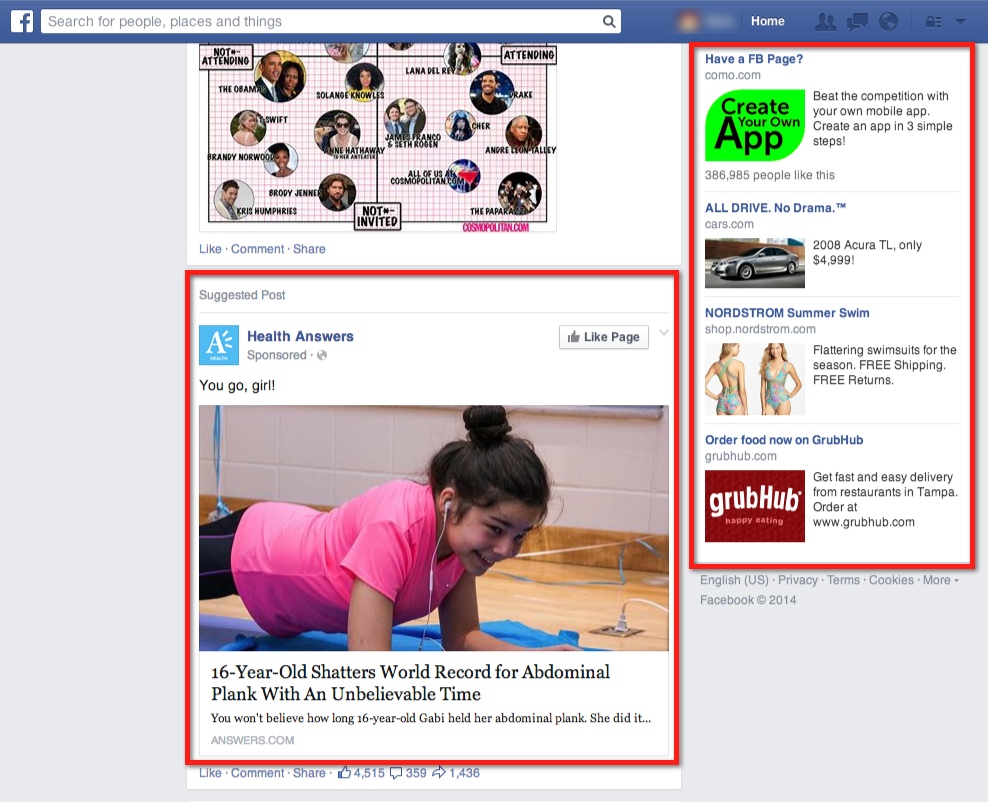
1.     Social Media – Use social media campaigns to engage your followers/target market, meaning patients and referring physician offices. You can also create very customizable ad campaigns on various social media websites.
2.     Digital TV/Streaming – Traditional TV ads often play on deaf ears now. DVR has helped people fast forward through that expensive ad space, but on sites like Hulu your ads will be seen because viewers cannot skip them.

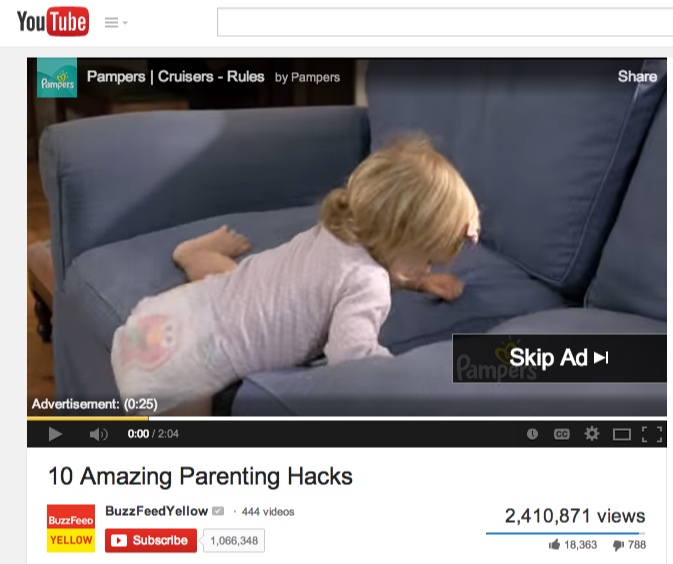
3.     YouTube Advertising – On many videos, ads will play before the video starts. After 5 seconds the user can skip through to the video, but if you catch their attention, they will watch the ad before their video.

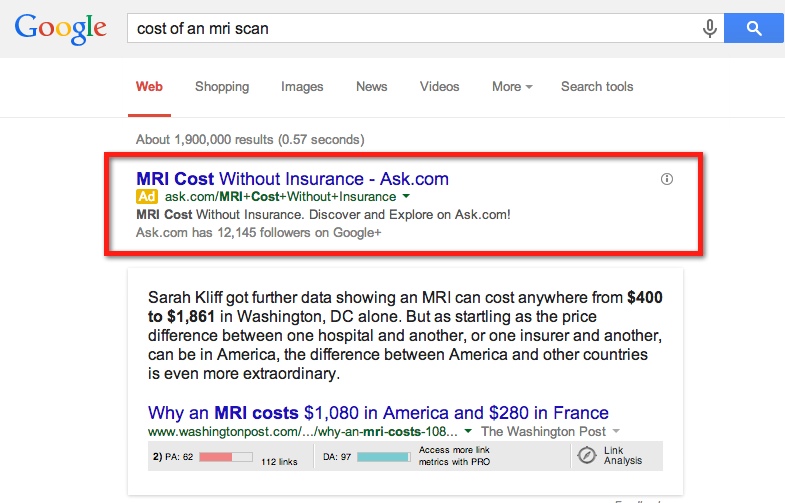
4.     PPC/Search – PPC campaigns and search campaigns are a great way to get in front of patients that are already searching for practices like yours.

5.     Mobile (messaging, display ads or apps) – Walk down the street and you’ll see just about every person glued to their mobile device, so mobile advertising is a great way to get in front of patients.

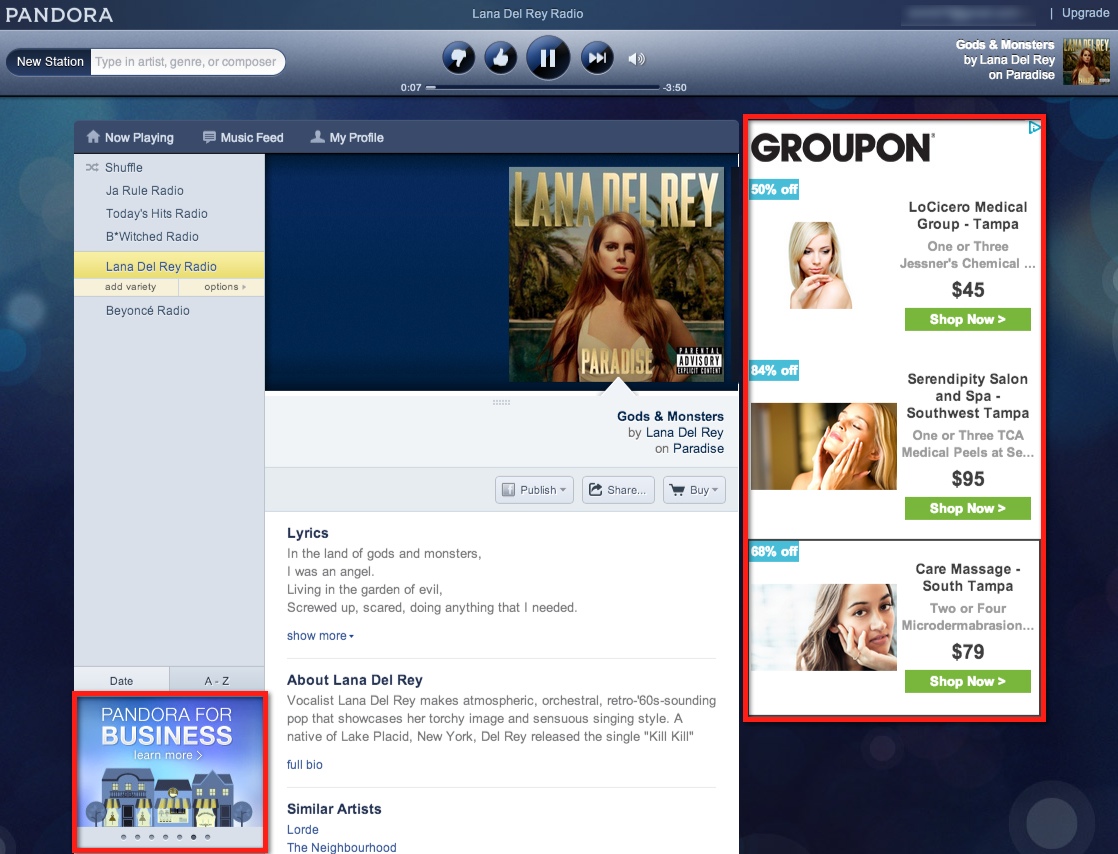
6.     Internet Radio – Spotify, Pandora and Sirius XM have increased their user base exponentially over the last couple of years so this ad space has grown in popularity as well. It’s great because you’re able to deliver a message audibly while also having a visual/interactive ad in front of the user where they can take immediate action, i.e.: signing up for something, liking your page or exploring your website.

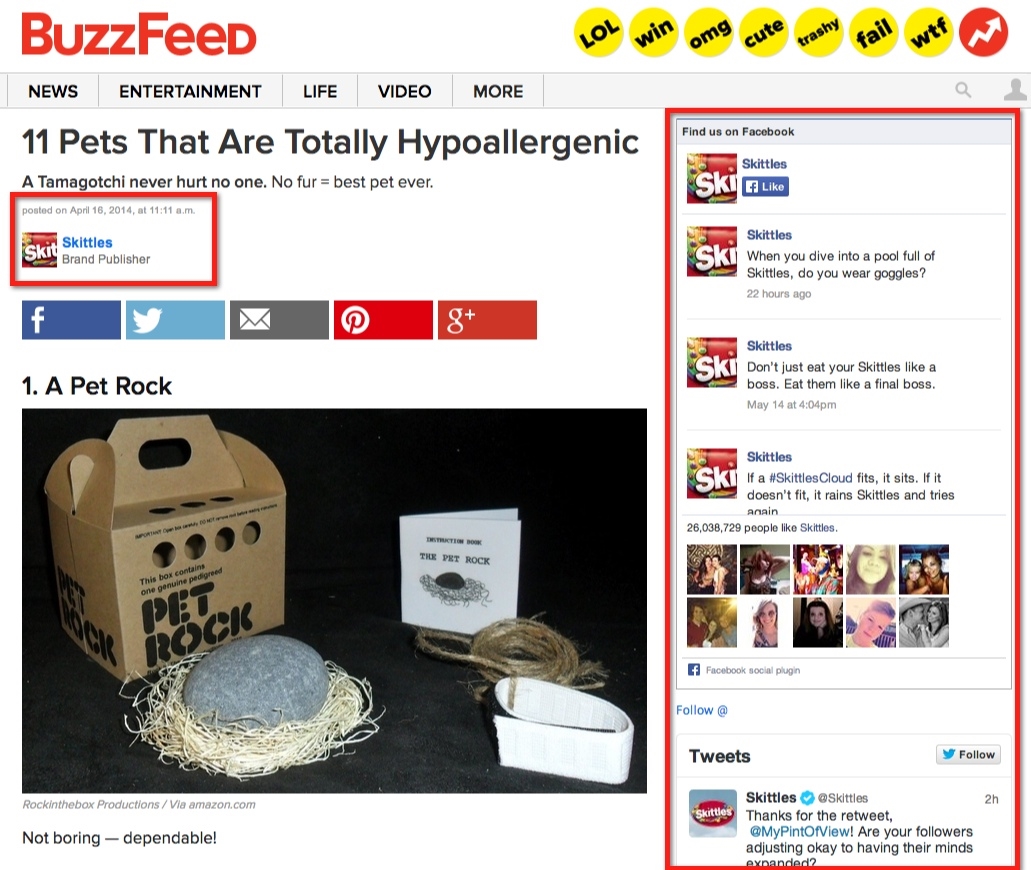
7.     Advertorials – This is not a new concept but advertorials are basically “sponsored” articles written by someone who is promoting their own services or product. They are designed to look like articles but they are really advertising pieces. Buzzfeed is well known for this but newspapers and blogs regularly utilize these as well.


Looking to try something new to reach a different patient base this year? Consider implementing a couple of these initiatives into your marketing plan!

Why You Need to Brand Your Practice’s Patient Experience

Many practices can identify with the terrifying moment when you get an email from Yelp saying that your practice has received a new review. You’re sitting in your office chair, hanging in the balance of either honor or shame. Did a patient write complimentary comments about your service and how much they loved your practice or did they leave a scathing review saying how rude your office staff was to them?  It’s challenging to manage negative reviews, especially in the instances where the patient was upset over something you could not control. People are exponentially more likely to provide feedback on something they either absolutely love or absolutely loathe, while the likelihood of comments coming from someone who had an “okay” experience is very low.

This means, you need to take every effort to provide each patient with a flawless experience to promote more positive reviews. The best way to do so is to brand your patient experience. Adding small touch-points to your patient process can make a huge difference in perception. Simple changes such as personally introducing a patient to each staff member they will meet with, can go a long way. Additionally, you could exchange paper robes for terry cloth ones or give patients slippers to protect their feet from chilly floors in the winter.

Things like that are what people remember when they leave your office. If they had to wait an extra 15 minutes because your schedule was running behind, then have coupons available as an apology. Whenever you travel Southwest Airlines for instance, if your flight gets delayed they offer complimentary adult beverages as collateral. (You’re not alone if you find yourself wishing for a flight delay every once in a while.)

To elicit positive responses, you can recruit the help of your staff. It likely happens everyday, that a patient says something positive in passing about their time at your practice. You can take those opportunities to remind patients that they can go online and review your practice.

You might think that websites like Yelp, Facebook and Google’s review pages don’t matter, but patients are becoming increasingly better consumers of their own care. They are turning to the Internet to find information on their physicians, treatments and procedures.   In some statistics provided by Fluency Media, it was determined that 85% of Millennials and 78% of Baby Boomers are searching for health topics online. Take the appropriate steps to improve your patient experience while promoting positive reviews and you will be able to capture the attention of more patients and improve your reach!

Social Media Checklist for Healthcare Practices

Getty Image, Embedded for Healthcare Blogging

Getty Image, Embedded for Healthcare Blogging

If your practice is going to get started using social media, a good first step is to go through an initial checklist to determine where to begin. In some cases, you might already have laid the groundwork and you’re just ready to figure out what to do next. I’ve often heard doctors ask, “Does my practice really need a Facebook page?” or “Why do I need a blog?” I always respond to them the same way, telling them that they need to join the conversation that patients are already having online. By refusing to adopt social media as a part of their marketing plan, medical practices are taking themselves out of the game.


Start transforming your marketing today with our checklist:

Free Download: Healthcare Social Media Checklist


Other Related Articles:

-       Why Your Practice Needs Social Media

-       Dealing With Negative Feedback on Social Media

Resourceful Links:

-       Symplur Healthcare Hashtag Project

10 Things You Should Know About the Medicare Payment Data Release

Last week, CMS released a report summarizing the Medicare billing data for physicians across the country. Doctors panicked and patients attempted to understand what all these steep numbers meant, meanwhile buzz terms like “healthcare price transparency” and “reimbursement rates” flew around with more aggressive velocity than ever before.

For those that are unsure what this billing report really means, we’ve given you a breakdown. Read on to learn everything you need to know about this release.


1.     The report shows which physician specialists are getting paid the most and approximately how much they are receiving from CMS.

2.     So what are these payments supposed to cover? Medicare fees are supposed to cover the physician’s actual work, overhead costs for their equipment, malpractice insurance and other costs. What are those “other” costs though?

3.     It shows amounts paid but doesn’t delineate where specialties with high overhead costs come into play. For example, Radiation Oncologists incur significant overhead costs to provide their specialized services, so they get reimbursed much more to cover those costs.

Information provided by The Wall Street Journal. Source: Centers for Medicare and Medicaid Services

Information provided by The Wall Street Journal. Source: Centers for Medicare and Medicaid Services

4.     There are tons of dollar amounts being shown, but the figures do not correlate to patient levels or success rates, so the impact of the costs cannot be easily determined.

5.     The report was supposed to help catch Medicare fraud activity, but it doesn’t do this very effectively. This is because it lumps a lot of physicians into groups regardless of outside factors like overhead costs.

6.     The goal of displaying this data was that exposure would change overall behavior.

7.     The database does not break out payments by PC and TC. Rather, they are aggregated, explaining why the numbers seen in the Wall Street Journal article are so steep.

8.     Separate from the aggregated data, there is also a larger dataset of information which is HUGE and includes the following information for each physician in the country:

·         Average charge/CPT code

·         Number submitted/CPT code

·         Average amount per procedure code

·         Billing addresses of physicians

·         Procedure performed in a “facility” or “non-facility”

·         POS codes for procedures

9.     This dataset file is too big for Excel, but if you link the text file to Access you can use it.   We learned via the RBMA chatter, that some have had success this way, saying, “Once I got a query result I used Excel to manipulate and analyze the data.” Keep this in mind if you’re looking for a way to sort the data yourself.

10. This big number: $121 million. As in, the sum of what the top 10 physician billers charged for Medicare in 2012.


Important links for learning more:

Dataset:

http://www.cms.gov/Research-Statistics-Data-and-Systems/Statistics-Trends-and-Reports/Medicare-Provider-Charge-Data/Physician-and-Other-Supplier.html

WSJ Article:

http://online.wsj.com/news/article_email/SB10001424052702303873604579492012568434456-lMyQjAxMTA0MDEwMTExNDEyWj

WonkBlog Summary of Physician Responses:

http://www.washingtonpost.com/blogs/wonkblog/wp/2014/04/10/wonkbook-why-doctors-are-upset-about-the-medicare-payment-data-release/

Dealing With Negative Feedback on Social Media

At the RBMA Building Better Marketing Programs conference in Long Beach last month, I hosted a presentation on implementing social media programs into a practice’s marketing plan.  In years past, health care professionals were apprehensive to fully embrace social media as a means for reaching patients.  Alas, this year I saw a shift in acceptance.  The one thing practice managers and marketing representatives were concerned with though?

Negative patient feedback.


How do you deal with a negative comment about your service? Do you delete it? Do you respond? What about those patients who post crazy thoughts or even outright lies about your practice?

As with face-to-face interactions, there are no specific protocols for handling each scenario with review sites and social media.  It can be intimidating to handle patient feedback online because it isn’t how people are accustomed to dealing with patients. The key to handling negative patient feedback on social media is understanding the kinds of complaints and how to manage them.


A great article from Health Care Communication News sums it up perfectly. (Read the full article here: 4 types of negative feedback on your hospital’s social media channels)


Standard Problem: A patient or referring physician posts their issues with your practice online. It could be small or large, based on personal preference or a perceived issue.

Good thing: It can point out some real issues your practice needs to address.

Solution: A personal or public response, which one depends on how large the issue has become. Make sure you’re taking action though and not ignoring the complaint.

Example Response: “Thank you very much for letting us know, we truly care about our patients’ feedback. Here’s why we do things this way...”


Constructive criticism: This is a great complaint to receive because it gives you the opportunity to improve.  Someone could say something like, “I wish I could have saved time by filling out forms online.”

Good thing: Those who provide constructive criticism are usually loyal to your practice.

Solution: Construct a formal response, thanking them for their constructive feedback. If you can find a way to implement their request, be sure to let them know you’re going to try.

Example Response: “Thanks so much Ms. Patient for your response, you made a really good point. We’ll certainly talk to our website guy and ask them to add the forms online. Hope this helps next time!”


Warranted attack:  Someone at the practice did something to upset someone and now they are displeased.

Good thing: You have the opportunity to fix the situation, because they opened lines of communication.

Solution: This can be hard to handle and even more challenging to hear. You should respond quickly and be positive but proactive.  Thank them for the feedback and let them know that you are certainly going to take steps to fix the problem.

Example Response: “We are so sorry that you had such a bad experience here but we understand where you are coming from with this. We’d love to talk more and figure out a way to ensure that this doesn’t happen again.”


Wildcat: Here’s that crazy patient we were talking about before. Sometimes people just want to complain. Basically, the commenter has no legitimate reason to complain or be upset.

Good thing: Most people will recognize that this is an off-the-wall complaint.

Solution: Don’t let yourself get baited into an argument. Simply ignore the comment and remove it from your page.

Example Response: Delete J


So don’t be worried about how to respond, you’ll learn as you go. Just look at it as learning how to communicate with new people. Whether they are online or in person, people are all the same. They just want to be heard.